



- Why Would You Ever Want to Save Lives One at a Time?p. 4
- Nobody Was Comingp. 12
- No Masksp. 22
- The Tribep. 26
- The Three Bucksp. 32
- The Decathlon Manp. 38
- House Cat or Tiger?p. 44
- The Forklift Testp. 48
- The Seasons of Scalep. 52
- The Impact Illusionp. 62
- ROI2p. 68
- The Tyranny of Orp. 72
- The Invitationp. 76

Why Would You Ever Want to Save Lives One at a Time?
At twenty-five years old, I thought I wanted to become a doctor.
That probably sounds strange because, by then, I already had a life.
I had spent years in the Israeli Air Force as an officer.
I had worked on complex systems involving fighter jets, missiles, technology, and people.
I was already deeply involved in the software world and fortunate to be working with some exceptional people at the forefront of that industry.
Life was moving.
The trajectory was clear.
Yet something kept bothering me.
The question of impact.
The question of helping people.
The question of saving lives.
Not in an abstract sense.
In a real sense.
That curiosity eventually led me to spend a week shadowing one of the world's great surgeons.
He was a close family friend.
An extraordinary physician.
The kind of person whose experience allowed him to see things most people missed.
Throughout the week he kept asking me the same question.
Why do you want to become a doctor?
My answer never changed.
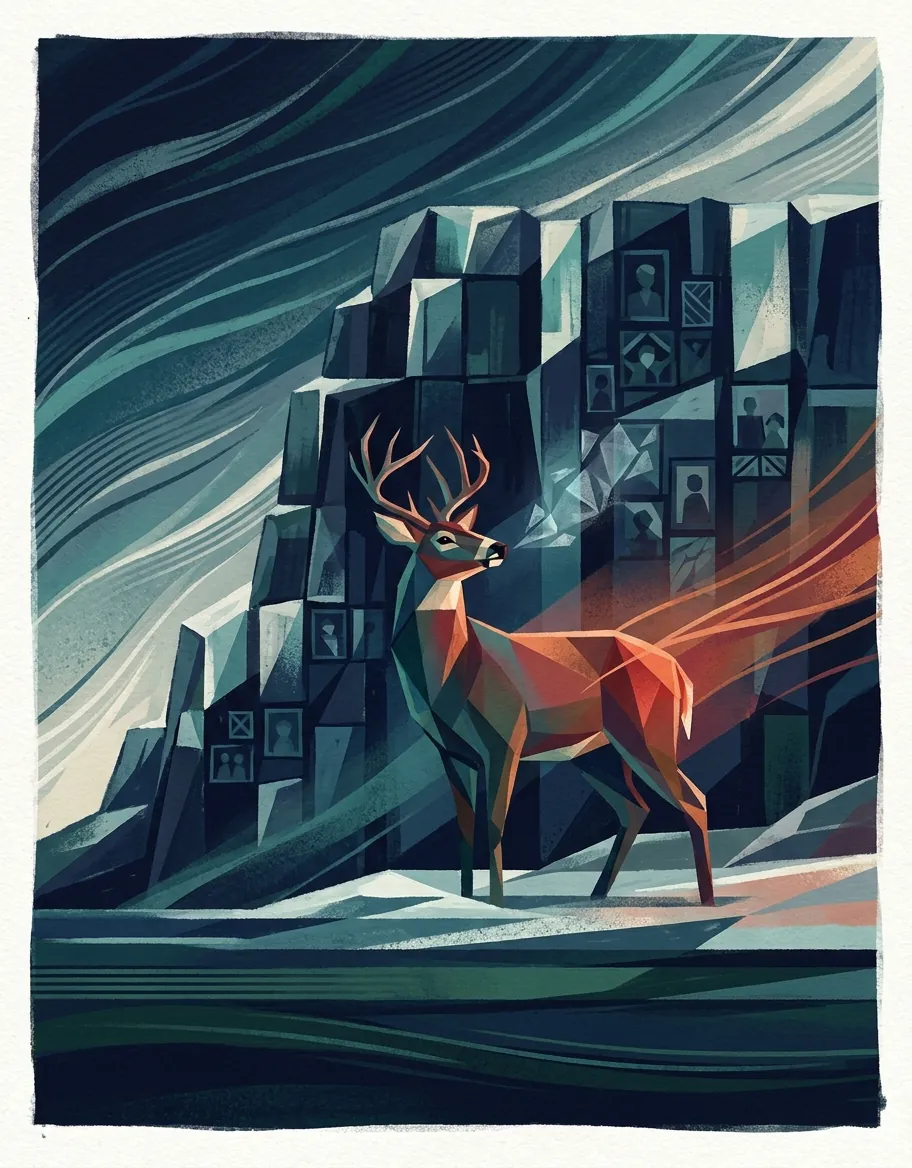
I pointed to a wall in his office covered with photographs, letters, and thank-you notes from patients and families.
“That,” I said.
At the end of the week he sat me down and asked the question one last time.
I pointed to the wall again.
He looked at me and said:
“Less than one percent.”
And then he stopped.

I remember waiting for him to continue.
Eventually he explained.
Those moments.
Those photographs.
Those thank-you notes.
The gratitude.
The lives saved.
They represented less than one percent of his time.
Before every thank-you note came a much longer story.
Fear.
Pain.
Suffering.
An individual.
Often an entire family.
Uncertainty.
Difficult decisions.
Operations.
Complications.
Recovery.
And only if everything went well, and that wasn't always the case, did he eventually receive the appreciation hanging on that wall.
That was why it represented less than one percent of his time.
That conversation stayed with me.
But it wasn't the one that changed my life.
That happened later the same day.
I was speaking with someone who wanted me to join a software company.
I explained that I was considering medicine instead.
He asked why.
I gave him the same answer.
“I want to save lives.”
He paused.
Then he asked a question that changed everything.
“Why would you ever want to save lives one at a time?”
It's rare in life that you recognize a moment that changes your trajectory while it is happening.
Most of us only understand those moments years later.
Looking backwards.
This wasn't one of those moments.
I knew immediately.
Why would I?
A doctor can save hundreds of lives.
Perhaps thousands over a remarkable career.
But a doctor is still limited by two hands.
One patient at a time.
One operation at a time.
One day at a time.
What if there was another way?
What if the same desire to help people could reach thousands?
Or millions?
Or more?
Doctors save lives.
Hospitals save more.
Medical devices save more.
Medicines save more.
Food systems save more.
Agriculture saves more.
Clean water saves more.
Technologies can reach millions.
The scale did.
And it's been driving me ever since.

Nobody Was Coming
Before he learned how to scale businesses, Jose learned how to survive.
He grew up in the Bronx during a time when survival itself felt uncertain.
The neighborhood offered two visible paths.
The gangs.
Or the drugs.
Sometimes both.
Very few people seemed to leave.
Fewer still came back.
Home was not a refuge.
It was unpredictable, difficult, and often painful.
Then, at twelve years old, everything changed.
One day his mother took him to the home of a man he barely knew—his estranged father.
She left him there.
And drove away.
Just like that, childhood ended.
The lesson was immediate.
Nobody was coming to save him.
If he wanted a future, he would have to build it himself.
So he went to work.
At twelve years old, using a fake identification card, he found a job at McDonald's.
Not because he wanted spending money.
Because he needed to survive.
While most children his age worried about homework, Jose worried about rent, food, and tomorrow.
Every paycheck mattered.
Every shift mattered.
Every opportunity mattered.
Many people would have become bitter.
Jose became determined.
Over the years he climbed.
One job became another.
One responsibility became ten.
Jose became a relentless student.
Not in classrooms.
In life.
He learned from every job.
Every mentor.
Every success.
Every mistake.
He read constantly.
Asked questions.
Connected dots.
With each new responsibility, his mental, strategic, and financial arsenal grew.
The education was unconventional.
The results were too.
Then life accelerated.
By sixteen, Jose had already experienced more responsibility than many people encounter in a lifetime.
That year he became a husband. Shortly afterward, a father. Soon there would be more children.
Whatever dreams or plans he may have had suddenly became secondary.
Other people were depending on him.
Many people spend years preparing for adulthood. Jose was dropped into it. Ready or not.
Looking back, it's easy to see how those experiences shaped him.
Responsibility stopped being a concept. It became daily life.
Providing. Protecting. Showing up. Finding a way forward even when there wasn't an obvious path.
Those habits never really left him.
Years later, an opportunity appeared.
In the aftermath of September 11, Jose made a decision that would alter the trajectory of his life.
He accepted a relocation opportunity and moved west.
Away from the Bronx.
Away from the gravity that pulls so many people back to where they started.
He moved to Ohio.
And began again.
He brought his family.
Then helped other family members relocate as well.
Not simply to move them geographically.
To create a better future.
A future with options.
What started as survival slowly became something else.
The young boy who once worked fast-food shifts to survive began building businesses.
Media.
Marketing.
Supplements.
Entrepreneurship.
Community organizations.
Each endeavor expanded his understanding of how influence works.
How systems work.
How scale works.
Yet success came with a cost.
Years of responsibility accumulated.
Years of pressure accumulated.
At one point, standing five feet eight inches tall, he weighed nearly three hundred pounds.
The consequences eventually reached every corner of his life.
His marriage ended.
Many people would have viewed that moment as the end of the story.
For Jose, it became another beginning.
He rebuilt himself.
One decision at a time.
One day at a time.
Over several years he lost more than 130 pounds.
Not through luck.
Through discipline.
The same discipline that had carried him from the Bronx.
The same discipline that had built businesses.
The same discipline that had carried a family.
As his personal transformation unfolded, his impact continued to grow.
He became deeply involved in philanthropy.
Community development.
Economic growth.
Entrepreneurship.
Innovation.
He helped launch initiatives that supported new businesses and new founders.
He became involved with venture investing.
He helped build organizations designed to create opportunities for others.
Not unlike the opportunities he once wished someone had created for him.
One fund became several.
One initiative became many.
Over time, he rose to become chairman of a venture organization that helped catalyze innovation throughout Ohio.
He helped support entrepreneurship within the Latino community.
He helped advance housing initiatives in Cleveland.
He helped launch and support the Green Bank movement.
His work increasingly focused on creating opportunities for others at scale.
Now he was helping lead one of the world's most respected healthcare organizations.
The Cleveland Clinic.
The boy from the Bronx was now helping shape the future of healthcare for millions of people.
Yet perhaps the most remarkable chapter was still ahead.
The boy from the Bronx never forgot where he came from.
People often ask us about resilience. As if it's a skill.
Resilience isn't something you learn when life is easy.
It's something life teaches you when it isn't.
Jose didn't become resilient because he wanted to.
He became resilient because the alternative wasn't available.
Some people spend their lives looking for opportunity.
Jose spent much of his life determined to create it.


No Masks
People usually ask how Jose and I met.
The details aren't particularly important.
What mattered was recognition.
By the time we met, we'd both lived enough life to know that résumés are often the least interesting thing about a person.
Within a very short period of time, we recognized something familiar in each other.
Not because our stories were similar.
They weren't.
But because some experiences leave fingerprints.
You recognize them when you've lived through them yourself.
Trust became our first rule.
It still is.
Everything else follows from that.
Over the years we've learned that most things can be fixed.
Strategies change.
Markets change.
Companies change.
Trust is different.
Once broken, it rarely returns in its original form.
That's why we protect it.
Fiercely.
We also discovered that we think differently.
I tend to connect people, industries, opportunities, and ideas.
Jose tends to connect technologies, uses, and solutions.
I often start with the bigger picture.
He often starts with what can be built.
The tension is useful.
The overlap is even more useful.
Somewhere along the way we stopped feeling like partners.
We became brothers.
Not by blood.
By trust.

The Tribe
At some point in life, you stop counting contacts.
You start counting who picks up the phone.
Who calls back.
Who shows up.
Who asks:
“Where are you now?”
“How can I help?”
That's the tribe.
People start following from one company to another.
One project to another.
One chapter of life to another.
Not because they have to.
Because they want to.
Because they trust.
During COVID, I interviewed a woman over video for a role.
She was brilliant.
Capable.
Exactly the kind of person you wanted on your team.
At the end of the interview, I told her she could start the next day.
She stood up and stepped back from the camera.
She was seven months pregnant.
She smiled and said she thought I should know.
“Congratulations,” I replied. “You're still starting tomorrow.”
Most employers had stopped the conversation at that point.
Five years later she was still one of the strongest performers in the company.

Every so often she still calls to ask the same question.
“What are you working on now? And how can I help?”
Another member of the tribe is the best supply chain leader I've ever seen.
We've worked together across four companies.
If I call and tell him I need help tomorrow, his immediate next question would be:
“Which flight?”
Because that's what trust looks like after many years.
Over the years we've seen the same pattern repeatedly.
A founder introduces another founder.
A physician introduces another physician.
An investor follows from one company to the next.
A colleague becomes a friend.
A friend becomes family.
Eventually you realize something.
The most valuable thing you've built isn't on a balance sheet.
It's the people who keep showing up.
Trust compounds.
And over time, trust creates access.
Real access.
A close friend of ours who had built successful companies and accumulated plenty of capital encountered a serious family health crisis.
At that moment, money wasn't the problem.
What he needed was access.
Access to the right physician.
The right specialist.
The right guidance.
The right reassurance.
Within minutes, we connected him to exactly the people he needed.
Jose has done the same many times through relationships built over decades, whether connecting tribe members to some of the leading physicians at the Cleveland Clinic or opening new markets for biomedical entrepreneurs through his vast Latin American network.
The compounding of access makes the tribe stronger.
Access to capital.
To expertise.
To opportunities.
To people.
Certain types of people appear again and again.
Different.
Yet somehow familiar.
The Three Bucks
Long before there was a logo, there was a story.
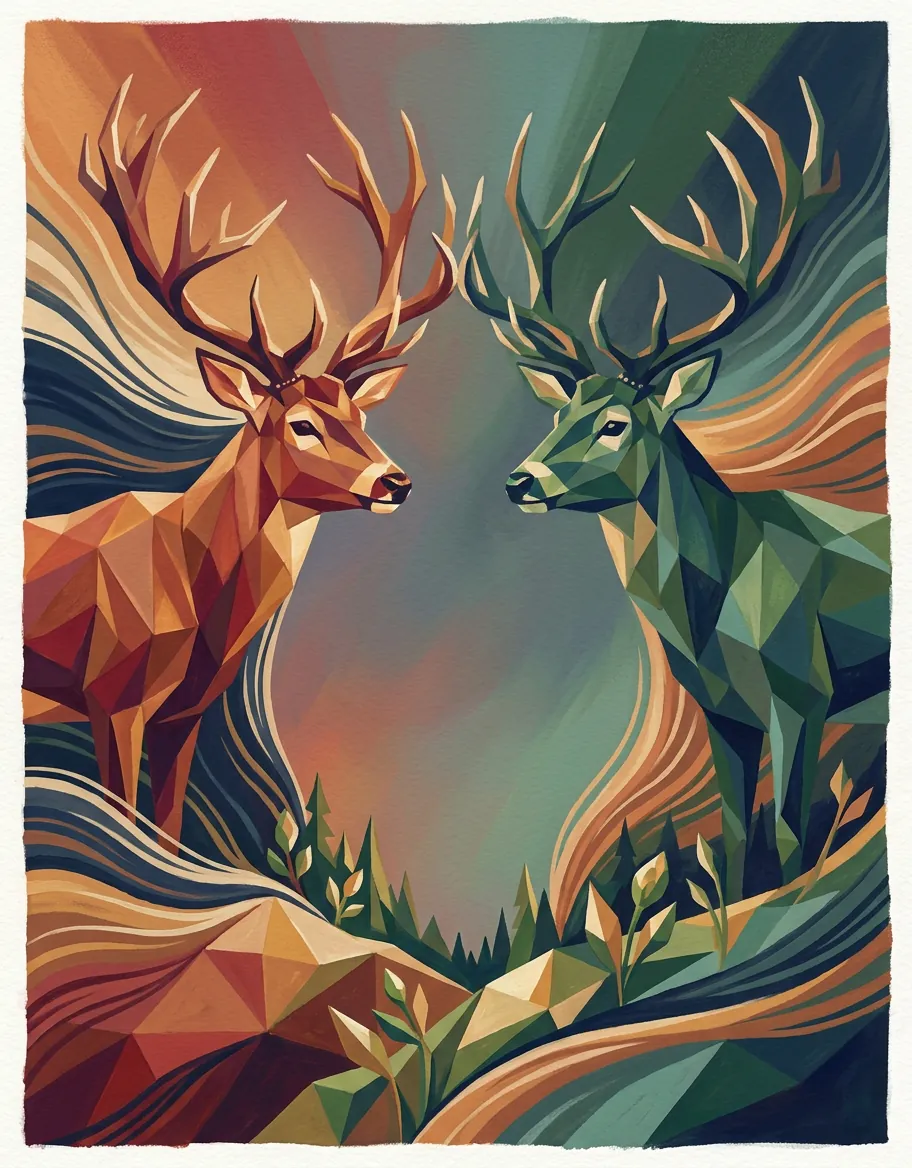
In my family, the buck appeared three times.
The first was my grandfather.
His name was Tzvi.
In Hebrew, Tzvi means deer, or more precisely, a mature buck.
He arrived in Jerusalem from Poland and became known as one of the strongest men in the city.
He passed away before I was born, so I never had the opportunity to know him personally.
Yet his image, his stories, and his reputation were part of my life from the very beginning.
The second buck was my brother.
His name was Ofer.
Ofer is the Hebrew word for a young deer.
A fawn.
Or what most people would simply call Bambi.
When he was only twenty years old, he died while serving his country in the Israel Defense Forces.
Forty years later, more than one hundred people still come to honor his memory every year.
He was intelligent.
He was charismatic.
He was handsome.
But those are not the reasons people remember him.
People remember him because he made them feel seen.
He was the friend everyone trusted.
The person who showed up.
The person who cared.
The third buck is my eldest son.
His middle name is Ayal.
Ayal is another Hebrew word for a deer.
He was named in honor of those who came before him.
Like my brother, he has a natural ability to connect with people.
Like my grandfather, he possesses quiet strength.
And when I look at him, I often see reflections of both.
Three generations.
Three bucks.
Three lives connected by values stronger than blood alone.
Years later, when Jose and I began building together, we started noticing bucks everywhere.
In photographs.
On roadsides.
Crossing fields.
In cities.
In countries separated by oceans.
New York.
Nebraska.
Switzerland.
Italy.
And many more.
At first it felt like coincidence.
Then it felt like a reminder.
The buck was not simply an animal.
It had become a symbol.
A symbol of generations.
A reminder that our impact can extend beyond our immediate contribution, beyond our time, sometimes for generations.
Not because it was powerful.
But because it represented the kind of people we aspire to be.

The Decathlon Man
Who is the better athlete?
The fastest man in the world or the Olympic decathlon champion?
Who is fitter? Who is more capable?
Most people know the name of the fastest man.
Very few know who won the decathlon.
Yet the decathlete competes across ten disciplines.
Speed.
Strength.
Endurance.
Technique.
Adaptability.
Ten events.
One athlete.
When I was seventeen, my father told me that success meant becoming the best in the world at something.
It was good advice. It just wasn't right for me.
While I was always very good at many disciplines.
I wasn't the best at any single one.
My strength was in connecting the dots and seeing the links and opportunities between them.
Business models.
Technologies.
Industries.
Cultures.
People.
Ideas.
Over time I found myself working across the tech industry, healthcare and biotech, agriculture and food, defense, law and finance, private equity, and more.
Not because I was changing careers.
Because I kept seeing the same patterns appear in different places.
Different industry.
Different language.
Often the same problem.
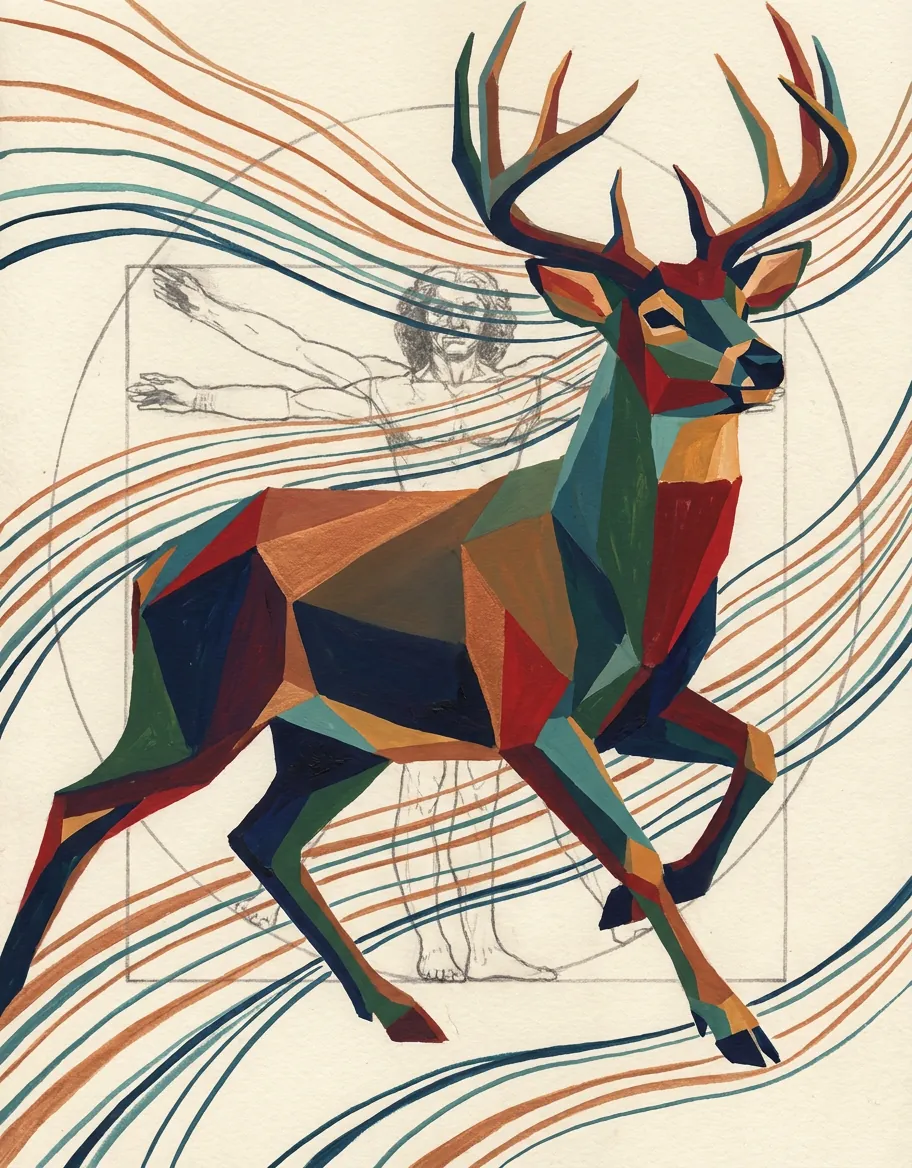
Leonardo da Vinci may be the ultimate example.
Artist.
Engineer.
Scientist.
Inventor.
Architect.
Anatomist.
Today we'd probably call him interdisciplinary.
Or perhaps a Decathlon Man.
The world tends to celebrate specialists.
At the same time, many of the world's biggest challenges live between disciplines.
The more I saw, the more I realized how often the same patterns repeated.
Scaling.
Adoption.
Trust.
Distribution.
Talent.
Capital.
Execution.
Jose came to a similar conclusion from a very different direction.
Whether it was media, retail, healthcare, venture capital, philanthropy, technology, or community building.
Different industries.
Different language.
Often the same problems.
He tends to connect technologies, uses, and possibilities.
I tend to connect industries, systems, people, and opportunities.
One of us usually asks:
“What problem are we really solving?”
The other asks:
“What can we build?”
Those conversations tend to get interesting quickly.


House Cat or Tiger?
A few years ago, I was diagnosed with cancer.
My doctor sat across from me and said something I wasn't expecting.
“We need to determine whether you have a house cat or a tiger.”
I looked at him a little strangely.
“I'm a dog person,” I replied.
He smiled.
“Both are cats,” he said.
“Only one will kill you.”
That conversation stayed with me.
Not because of cancer.
Because of clarity.
Before deciding what to do, we first had to understand what we were dealing with.
Was it aggressive?
Or not?
Could we watch it?
Or did we need to act immediately?
Everything else depended on the answer.
I've come back to that conversation many times since.
Not just in health.
In life.
In business.
In relationships.
People often spend enormous amounts of energy solving the wrong problem.
Or solving the right problem too early.
Or solving a problem that doesn't matter.
The first question is always the same.
House cat or tiger?
What are we actually dealing with?
Only then does it make sense to decide what to do next.
The Forklift Test
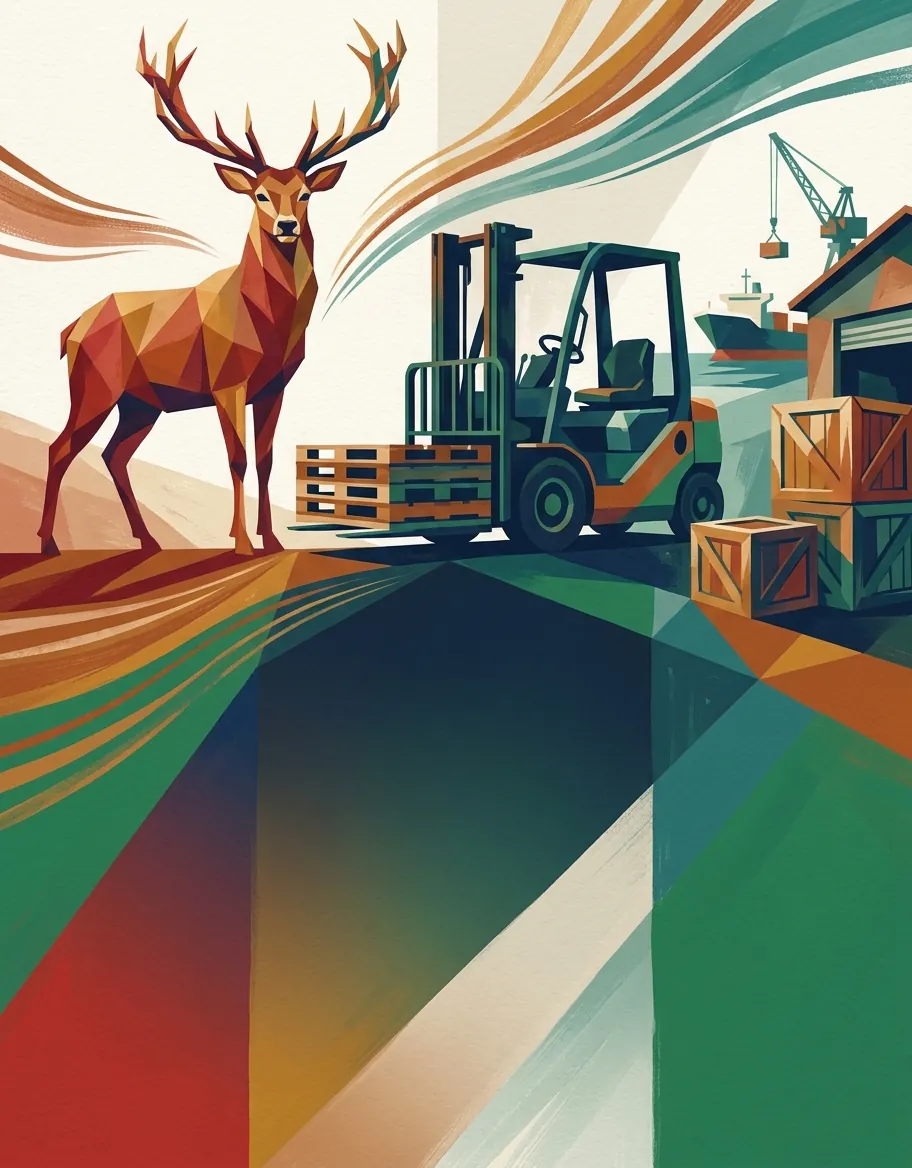
We like businesses that have a forklift somewhere.
Not always.
But often.
A forklift is usually a sign that something real is happening.
A product exists.
Someone is manufacturing it.
Moving it.
Buying it.
Using it.
A forklift usually means real-world challenges.
Customers.
Supply chains.
Warehouses.
Regulations.
Customs.
Tariffs.
Expiration dates.
Quality systems.
People.
The kinds of challenges that create real value when solved.
We've spent much of our careers around technologies that eventually leave the laboratory, the factory, the farm, or the warehouse and end up in someone's hands.
A vaccine.
A medical device.
Food.
Clean water.
Energy.
A new agricultural solution.
Things that affect real people living real lives.
The forklift doesn't care about your pitch deck.
It doesn't care about your valuation.
The forklift cares whether the product exists.
Whether it works.
Whether people want it.
And whether you can reliably get it to them.

The Seasons of Scale
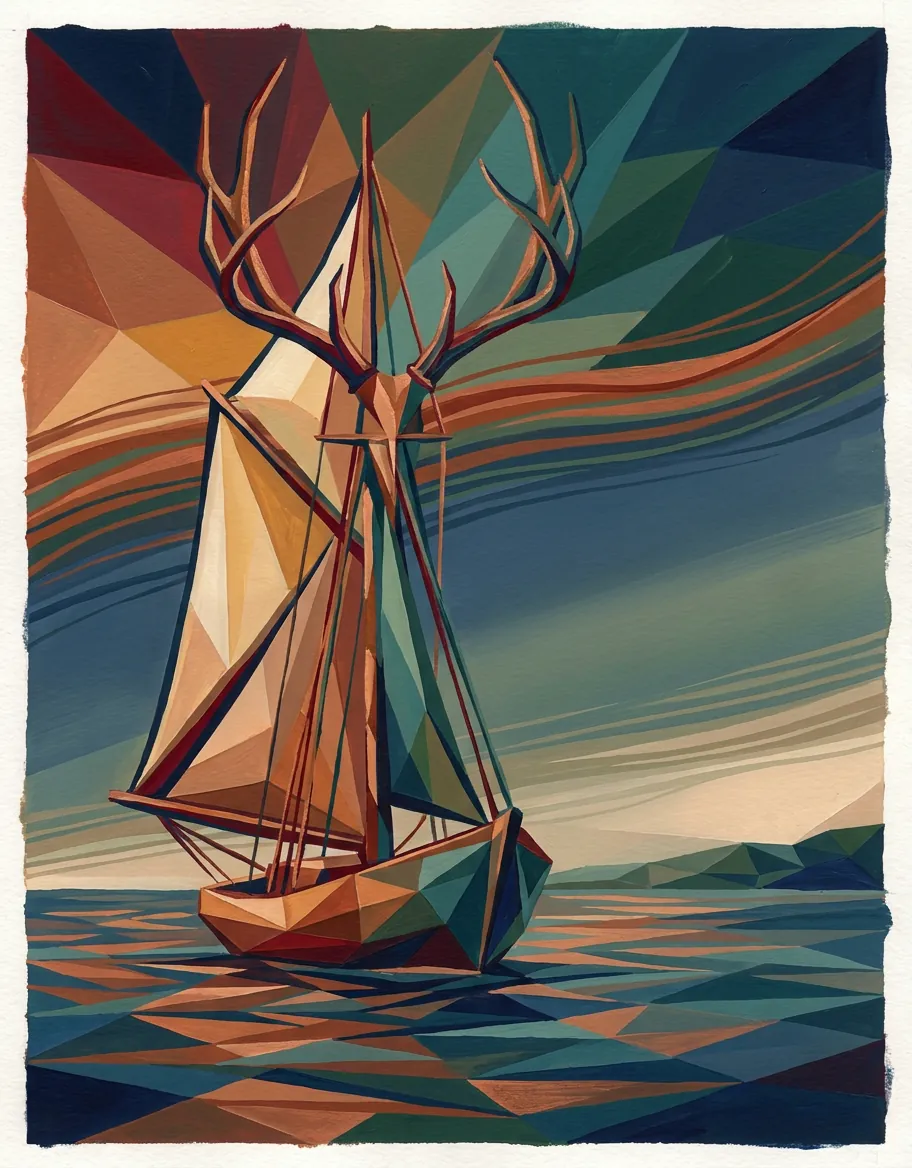
Several years ago, I sailed across the Atlantic Ocean as part of a race.
One of the rules was simple.
No engines.
You could only move using the wind.
After crossing thousands of miles, we found ourselves less than ninety miles from the finish line.
And then the wind died.
Completely.
We drifted.
Hours passed.
People became frustrated.
Flights were approaching.
Families were waiting.
The finish line was close enough to imagine, but too far away to reach.
Eventually we took a vote.
We would forfeit.
Turn on the engine.
Go home.
There was only one problem.
The propeller had fallen off during an earlier storm.
The engine worked.
The boat didn't move.
So we waited.
At first, impatiently.
Then reluctantly.
Then peacefully.
There was nothing left to do.
As I lay on the deck looking at the sky, something occurred to me.
Sometimes you simply have to wait for the right conditions.
You can prepare.
You can adjust the sails.
You can check your heading.
You can be ready.


You can try to fight the season.
You can try to force progress.
You can zigzag against the wind and expend enormous amounts of energy.
Sometimes that's necessary.
Often it isn't.
When the conditions are right, progress becomes surprisingly fast.
Not because the destination changed.
Because you're finally moving with the wind instead of against it.
About sixteen hours later it arrived.
The sails were already trimmed.
The course was already set.
The current was moving in the right direction.

We've thought about that day many times since.
A crop takes time.
A clinical trial takes time.
Trust takes time.
Raising a child takes time.
There is a season to plant and a season to harvest.
Confusing one for the other can be disappointing and costly.
Harvest too early and the crop may not be ready.
Harvest too late and part of the opportunity may be lost.
You can prepare the soil.
You can plant.
You can water.
You can protect.
But pulling on the plant won't make it grow faster.
The same is true in business.
And in life.
Recognizing the environment and the conditions around you matters.
So does anticipating what comes next.
Preparation is often what makes growth possible.
The sails are trimmed before the wind arrives.
The field is prepared before the harvest.
Charging stations are deployed before electric vehicles can be widely used.
The team is built before it can scale.
Some things can be accelerated or run in parallel.
Some things simply take the time they take, in the required sequence or conditions.
Every season has a purpose.
And most of us are living through several at the same time.
Planting in one area.
Harvesting in another.
Waiting in a third.
Preparing for the next.
The transitions matter.
The return of the wind.
The first rain.
The harvest.
The market.
The adoption.
The key is understanding the seasons and our roles within them.
Act accordingly.
And scale with them.
The Impact Illusion
If the global non-profit sector were viewed as an economy, it would rank among the largest in the world.
More than 2% of global GDP.
How do we define impact?
Not activity.
Not spending.
Not effort.
Impact.
What actually changed?
For whom?
And for how long?
Recently I visited a wonderful organization helping children with disabilities.
It was doing important work.
Life-changing work.
The organization raised roughly $50 million each year.
Over a decade, that's half a billion dollars.
The question isn't whether those children benefited.
They did.
The question is whether half a billion dollars should have been capable of helping even more children and families.
In business, that would be a fair question.
Perhaps it should be a fair question here too.
Not because we care less.
Because we care more.
Years ago, one of the companies I managed launched a nutritional program for schoolgirls in India.
The challenge was malnutrition.
The solution was simple.
A highly nutritious meal, similar to a protein shake.
The cost was about fifty cents per meal, per girl.
Fifty cents.
The impact wasn't measured by how much money was raised.
It was measured by what changed.
Did the girls grow?
Were they healthier?
Did their energy levels improve?
Did they perform better in school?
Were they better prepared for the opportunities ahead of them?
Those were the outcomes that mattered.
Scale matters in philanthropy as much as it matters in business.
Or perhaps even more.
Not every problem can be solved this way.
Many are far more complex.
A pilot is not a business.
And it is rarely a system capable of delivering repeatable impact.
We're interested in something different.
Growth philanthropy.
Building systems that continue creating impact long after the original funding is spent.
Not because they constantly need more fundraising.
Because they create the ability to help more people tomorrow than they helped today.


ROI2
People often ask whether we care more about returns or impact.
The question never made much sense to us.
Why choose?
Return on Investment.
Return on Impact.
ROI2.
The opportunities that excite us tend to create both.
A healthier patient.
A longer life.
A more productive farm.
Cleaner water.
Stronger communities.
More opportunity.
Businesses that create value.
Generate returns.
And reinvest in human health, growth, prosperity, and the environment.
The most powerful solutions align economics with outcomes.
One reinforces the other.
That's where force multipliers live.
Impact grows.
Opportunity grows.
Humanity elevates.
The Tyranny of Or
One of the most expensive words in the world may be “or.”
Profit or purpose.
Impact or returns.
Speed or quality.
Growth or discipline.
People or performance.
Business or philanthropy.
Sometimes those tradeoffs are real.
Often they aren't.
The most interesting opportunities frequently emerge when someone refuses to accept the choice.
A healthier patient and a successful business.
A stronger community and economic growth.
Trust and accountability.
Returns and impact.
Scale and quality.
Not every “or” is real.
Some are invitations to think harder.
To build better systems.
To ask a different question.
Not which one?

The Invitation
If you've made it this far, you've probably noticed something.
This was never really a book about business. Or investing. Or entrepreneurship.
The real subject has always been scale.
Buck Scale.
How ideas scale.
How trust scales.
How impact scales.
How opportunity scales.
How people scale.
How humanity scales.
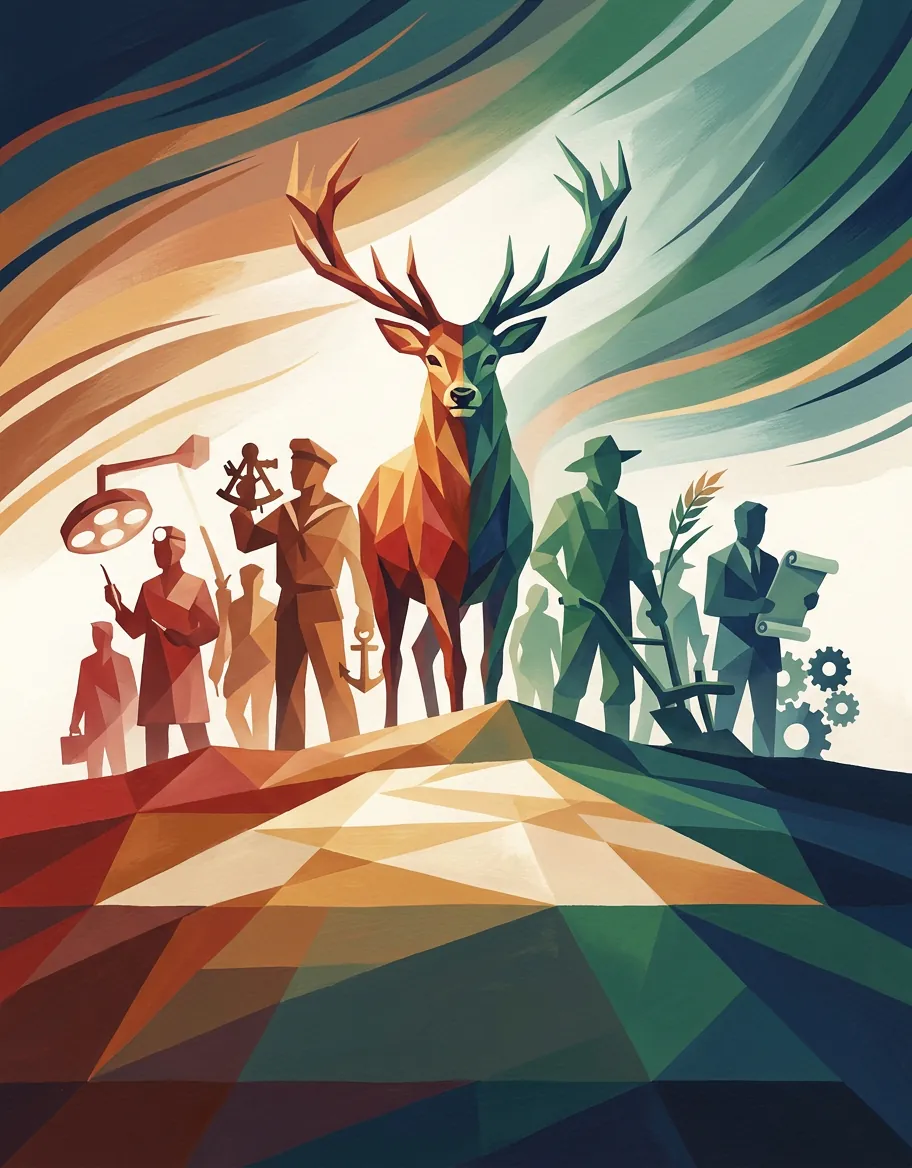
Along the way we've talked about surgeons and sailors.
Farmers and founders.
Patients and investors.
Friends and families.
Bucks and tribes.
Different stories.
The same question.
How do we create more value for more people?
Not once.
Repeatedly.
Not locally.
At scale.
We've spent our lives looking for people, ideas, and opportunities that can serve as force multipliers.
If these stories resonated with you, perhaps you're already part of the tribe.